
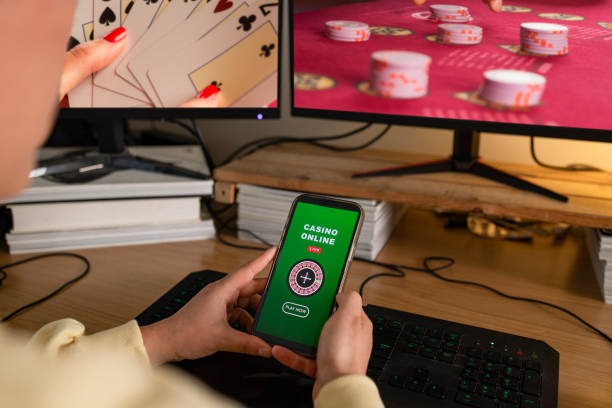
In the rapidly expanding world of online gaming, trust plays a crucial role in attracting and retaining players. One of the most significant factors influencing player confidence is whether an online gambling site is licensed by recognized regulatory bodies such as AAMS (Amministrazione Autonoma dei Monopoli di Stato) in Italy. However, despite the importance of AAMS certification, many players still choose to trust and engage with sites that operate without this specific authorization. Understanding why players place their trust in non-AAMS licensed platforms requires examining various aspects including accessibility, bonuses, game variety, and user experience.
Firstly, accessibility is a major reason why some players opt for sites without AAMS licensing. These platforms often provide services to a broader international audience without strict geographical restrictions imposed by local regulators. For instance, while AAMS-licensed sites primarily cater to Italian residents under stringent rules, non-AAMS websites may welcome users from multiple countries offering more flexibility in terms of currency options and payment methods. This inclusivity attracts players who might otherwise be excluded or limited on official regulated platforms.
Secondly, attractive bonuses and promotions are a strong incentive for players to choose non-AAMS sites. Licensed operators frequently have tight regulations governing promotional activities which can limit their generosity or creativity when designing bonus offers. Conversely, unregulated or offshore sites often present more lucrative welcome bonuses, free spins, cashback deals, and loyalty rewards that appeal strongly to new and returning customers alike. The allure of enhanced earning potential through these incentives encourages many users to take their chances on less regulated domains.
Moreover, the diversity of games available on non-AAMS platforms tends to be broader compared to those strictly adhering to domestic licenses. Many international operators partner with numerous software developers worldwide providing extensive libraries featuring innovative slots machines, live dealer experiences, sports betting markets as well as niche games not always found within restricted environments. Players seeking variety and novelty naturally gravitate toward these expansive selections rather than being confined by regulatory limitations.
User experience also significantly influences trust levels among gamblers using non-AAMS websites. Many such platforms invest heavily in creating seamless interfaces optimized for mobile devices alongside fast-loading pages and responsive customer support channels accessible 24/7 via chat or email services across multiple languages. When combined with secure encryption technologies ensuring data privacy during transactions-despite lacking official regulation-players feel confident enough about safety measures implemented behind the scenes.
However difficult it may seem at first glance trusting unlicensed operators carries inherent risks related mainly to fairness guarantees and dispute resolution mechanisms absent from formal oversight frameworks like those provided by AAMS authorities; yet millions continue engaging due largely because benefits outweigh perceived dangers based on personal experience or community reputation shared through forums or social media groups dedicated exclusively towards evaluating trustworthy gambling venues globally.
In conclusion, while regulatory approval remains an important benchmark for safety assurance within casino online stranieri gambling circles especially concerning responsible gaming practices; many users prefer accessing non-AAMS licensed websites driven by factors such as wider accessibility options internationally applicable promotions unmatched game selections superior user interfaces coupled with robust albeit unofficial security protocols fostering sufficient confidence despite lack of formal endorsement from national regulators like Italy’s AAMS body itself.
