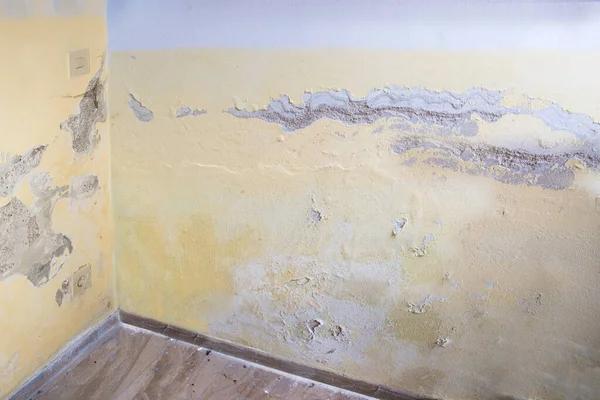

The art of restoration is a delicate process that requires a blend of skills, knowledge, and patience to transform the remnants of disaster into an emblem of recovery. It’s not just about rebuilding what was lost; it’s also about learning from the past, adapting to new realities, and creating something better.
One might argue that the art of restoration begins with acknowledging the impact of the disaster. Whether it’s a natural catastrophe like an earthquake or flood, or a man-made one such as war or neglect, disasters leave behind more than physical damage. They imprint scars on communities and individuals alike; they reshape landscapes and redefine lives. Recognizing this reality is crucial because it sets the stage for genuine healing and recovery.
Restoration is not merely reconstructing what was there before but reimagining what could be there now. It involves taking stock of what remains after a disaster –the ruins– and seeing beyond their apparent desolation. The ruins are not just debris waiting to be cleared away; they are pieces in a puzzle waiting to be put back together in new ways.